
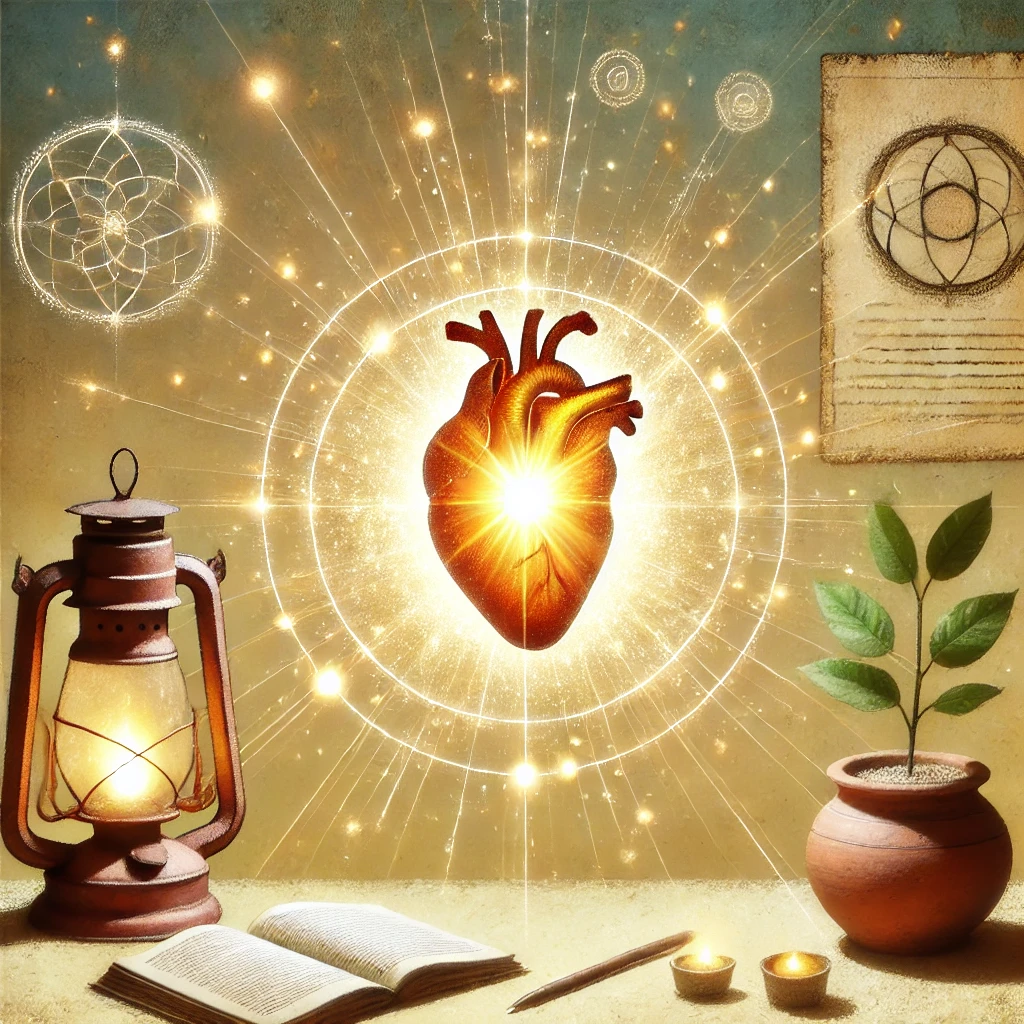
The Power Lies Not in Objects, But in Emotions
Human beings often attribute value to objects, believing their worth lies in their material existence. However, the truth is far deeper—objects derive their significance from the emotions, intentions, and sentiments we associate with them. This spiritual principle invites us to shift our perspective and embrace a life centered on meaningful connections and deeper understanding.
Understanding the Principle
The essence of this truth can be found in everyday life. A simple clay lamp may hold little material value, yet it becomes sacred when used during Diwali, symbolizing light and divinity. Similarly, a child’s handmade card may lack artistic perfection but carries immense emotional value for the parent receiving it.
“Objects are temporary; emotions are eternal. It is the sentiment that transforms the mundane into the meaningful.”
This concept aligns with the teachings of the Bhagavad Gita, which emphasizes the importance of intentions behind actions. The object or act itself holds little value without the purity of the intention behind it.
Spiritual Insights
The Upanishads teach us that the divine resides not in external objects but in the spirit and emotion behind them. This principle is echoed in spiritual practices across cultures:
- Prayer: A prayer’s efficacy lies in the devotee’s sincerity, not in the ritualistic object used.
- Charity: The true merit of charity comes from the giver’s selflessness, not the monetary value of the donation.
- Relationships: Bonds are strengthened by care and love, not by the exchange of material gifts.
Scientific Perspective
Neuroscience supports the idea that emotions play a central role in human perception. Studies show that sentimental value activates areas of the brain associated with memory and reward, making certain objects seem invaluable because of the emotions tied to them.
For instance, a family heirloom may hold little monetary value but triggers strong emotional responses due to its connection to loved ones and shared history.
Practical Applications
To align your life with this principle:
- Focus on Intentions: Before any action, reflect on your intention and ensure it aligns with truth and positivity.
- Value Emotions Over Objects: Cherish the sentiments behind gifts, relationships, and traditions rather than their material aspects.
- Practice Gratitude: Recognize and appreciate the emotions and efforts of others in daily interactions.
- Simplify Life: Reduce attachment to material possessions and focus on emotional and spiritual growth.
Conclusion: A Shift in Perspective
The true value of life lies in the emotions and intentions we bring to our actions and relationships. By shifting our focus from material objects to heartfelt sentiments, we can lead a more fulfilling, harmonious, and spiritually enriched life. Remember, it is not the object but the emotion that makes it priceless.



No Comments